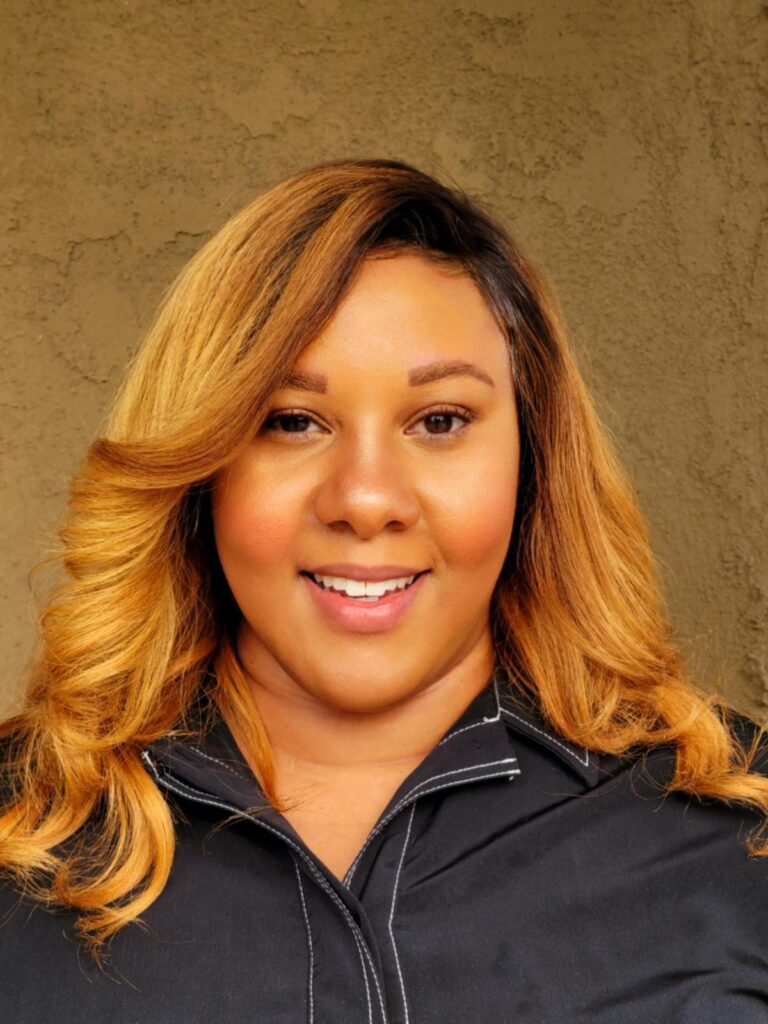
Khi-Lynn Louis is the Weill Cornell Medicine’s Lead Technical Assistance Advisor for the National Elder Abuse MDT Training and Technical Assistance Center. She develops and organizes the content for all resources and programs offered by the National Center, plans National Center events, facilitates internal meetings, processes, responds, and assigns TA requests to the appropriate TA provider. Prior to this role, Khi-Lynn coordinated and facilitated CEASE (formally NYCEAC) Manhattan, Queens, and Staten Island E-MDTs, provided consultations to NYC professionals on complex elder abuse cases, and trained professionals and social work students on a range of elder abuse topics. Khi-Lynn gained extensive experience with high-risk elder abuse cases as a social worker for the Human Resource Administration for Adult Protective Services (APS) and supervisor for the Jewish Association for Services-Aged APS program. Khi-Lynn also worked as a supervisor at Urban Resource Institute (URI) in their domestic violence shelter, piloting the People and Animals Living Safely (PALS) initiative, which recognized pets' importance as a primary source of emotional support for domestic violence survivors. Khi-Lynn is an alumna of the Yeshiva University Wurzweiler School of Social Work.
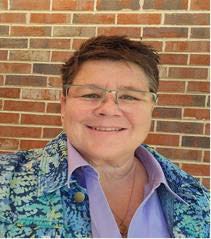
Lisa Furr is the Lifespan of Greater Rochester’s Technical Assistance Advisor for the National Elder Abuse MDT Training and Technical Assistance Center. In her role she provides technical assistance and training to Office of Victims of Crime grantees in the Enhanced Multidisciplinary Teams program. Furr joins others at the center in aiding the grantees on topics related to abuse in later life and strengthening multidisciplinary teams. Prior to Lifespan, she was the program manager for the National Clearinghouse on Abuse in Later Life (NCALL), a project of End Domestic Abuse Wisconsin (End Abuse). In her role at NCALL, she provided nationwide leadership, technical assistance, and training to professionals across the country on various topics related to abuse in later life, including creating and enhancing coordinated community response (CCR) and systems change. She also assisted in the development of training materials and resources related to abuse in later life. Furr has over thirty years’ experience in group dynamics, training, and diversity. She holds a master’s degree from the Presbyterian School of Christian Education. Furr lives and works in Richmond, Virginia.
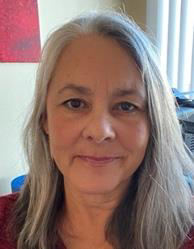
Martie Washington serves as a training partner for the National Elder Abuse MDT Training and Technical Assistance Center. She is the Abuse in Later Life Program Coordinator at the National Clearinghouse on Abuse in Later Life (NCALL), is responsible for coordination of training/technical assistance activities for the Office on Violence Against Women’s Abuse in Later Life Grant Program recipients and other entities, as well as other special projects. Washington has an extensive background in case management, grant development and management, public/behavioral health, and collaborative team development focused on issues including elder abuse, drug endangered children, domestic violence and sexual violence. She has developed and delivered multiple trainings both in-person and virtually addressing collaborative approaches and abuse in later life. As a social worker in a long-term care facility, Washington was responsible for the psychosocial assessment of its residents. She graduated from the University of Rhode Island and has worked in the social services field in one capacity or another for over 40 years. Washington currently lives and works in Minnesota.
Why should E-MDTs consider training its membership?
At its very core, truly understanding each member’s role in responding to elder abuse is essential in forming strong support for each case discussed, as well as improving interagency communication and cooperation. Internal training can increase knowledge of available resources and options for E-MDT members to consider. External training can also be beneficial for the ultimate goal of supporting each victim of elder abuse; empowering a community to collectively consider our commitment to our most vulnerable older adults.
Consider:
- Training E-MDT members and the community can contribute to a more comprehensive response to cases of elder abuse.
- Assessing your community’s need for training can be aided by reviewing available data, addressing gaps identified by E-MDT members and/or looking through assessments done by E-MDT partner agencies.
- Choosing trainers that are a good match for the audience should be an intentional process.
What is one practical step E-MDTs can take when considering training your team?
Start with assessing your team’s current training needs. The more intentional you are
about what their training needs are, the more you can customize your approach to meet
that need. What is your goal of the training: services provided are improved or learners
are aware of expanded resource options? What do the learners want from the training:
learn concepts and possible application, networking, for example.
Helpful Resource
Futures Without Violence: Institute for Leadership in Education Development (ILED) What Do Learner's Need? and Learning Objectives