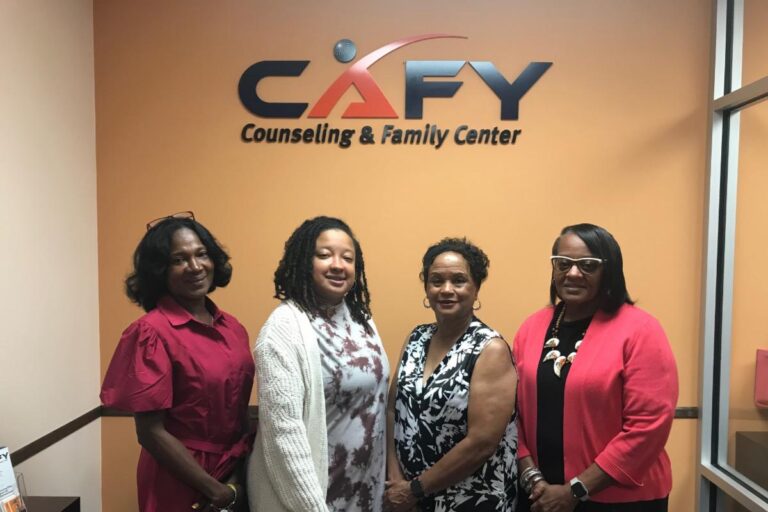

Allison Granata is the Director of E-MDT Initiatives at Lifespan of Greater Rochester. Allison was the original Finger Lakes E MDT Coordinator and successfully established and coordinated seven teams in the region. She currently oversees the implementation of the E-MDT program across NYS while continuing to coordinate three E-MDTs and provide consultations to professionals investigating cases of elder abuse.
Why is this topic essential for E-MDTs to consider?
The financial impact of abuse is long-lasting and destabilizing. Recovery of funds can mean the difference between staying in one’s home or going into a facility, accessing needed care, or even just regaining a small piece of normalcy…like buying bananas. While it may be tongue-in-cheek to say, “Show Me the Money!”, we’ve seen firsthand how financial recovery has helped survivors rebuild their lives. Since 2014, New York State’s E-MDT Initiative has supported $6.4 million identified in potential recovery, with more than $1.6 million known returned to survivors.
Three Foundational Aspects for E-MDTs to Consider
- Think beyond criminal restitution! Civil judgments, informal agreements, and crime victim compensation are other means of recovering funds.
- Identify the dollar amount. Knowing how much money was lost is critical to pursuing restitution. Use your team’s skills, whether that means forensic accounting, technology support, or drawing on members with specific financial expertise.
- What are the survivors’ goals? Some survivors may want to pursue restitution while others may prefer a more creative resolution or no action at all.
A Practical Next Step
Have the conversations! Discuss with your DA’s Office, civil attorneys, and other team members how they have seen funds recovered. What strategies have been most effective? What obstacles came up? Remember to ask the question during your case discussions: “Can any funds be recovered?”
A Helpful Resource
Every state has a crime victim compensation program. These programs can offer reimbursement for financial losses related to a crime, even when there is no criminal conviction. This can be especially useful in elder abuse cases where prosecution isn’t pursued or possible. Connect with your victim assistance providers, take the time to learn about the criteria for applying and the common challenges and barriers applicants may face. https://ovc.ojp.gov/help-for-victims/help-in-your-state